Mandera (Kenya) | Gedo (Somalia) | Liban & Dawa Zones (Ethiopia)
Drought Snapshot
- 335,000 people in need in Mandera County (IPC Phase 3 – Crisis)
- 470,286 people affected by drought across Jubaland, Somalia
- 350,008 people facing extreme water shortages in Dollo Addo, Ethiopia
- 250,000+ people projected to rely on water trucking in Mandera beyond January 2026
- 2 million+ livestock at risk across Gedo Region
- 11,778 people displaced into IDP sites in Dollo Addo
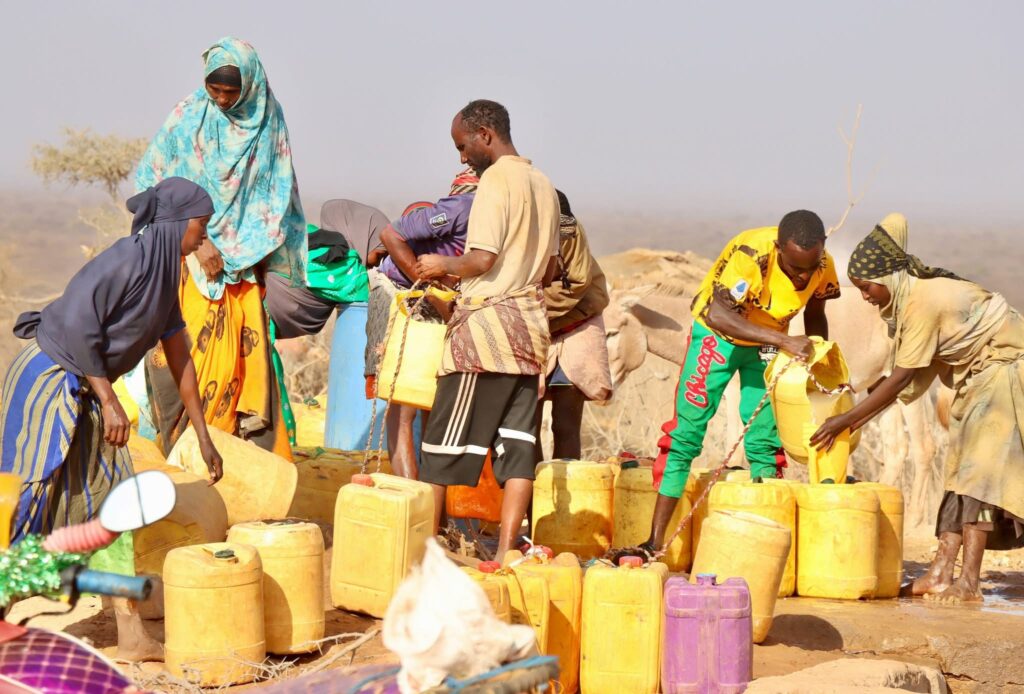
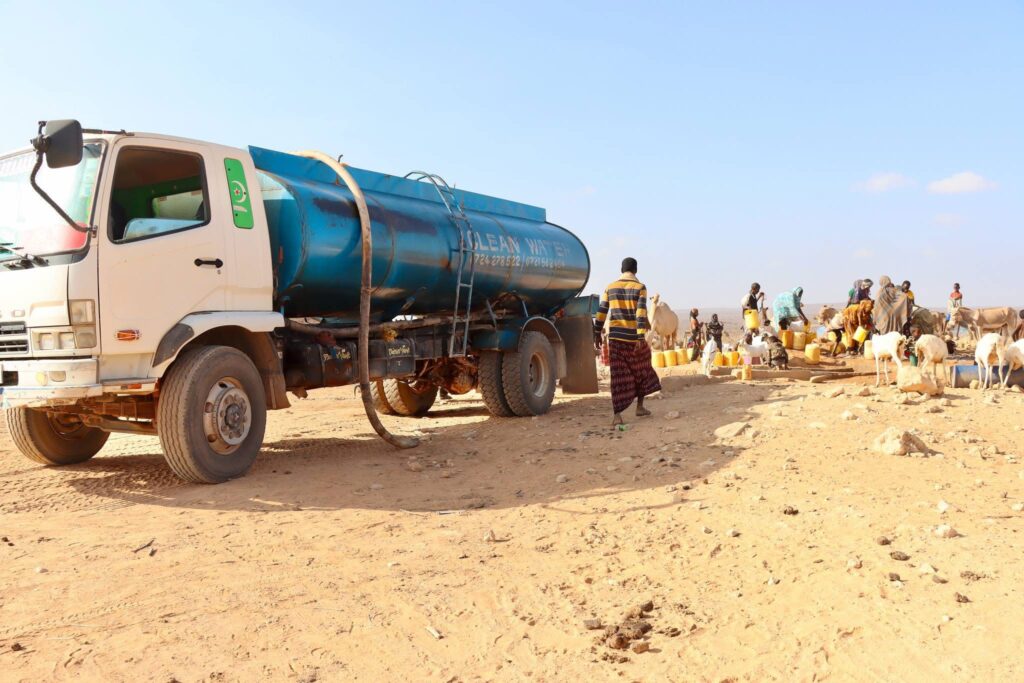
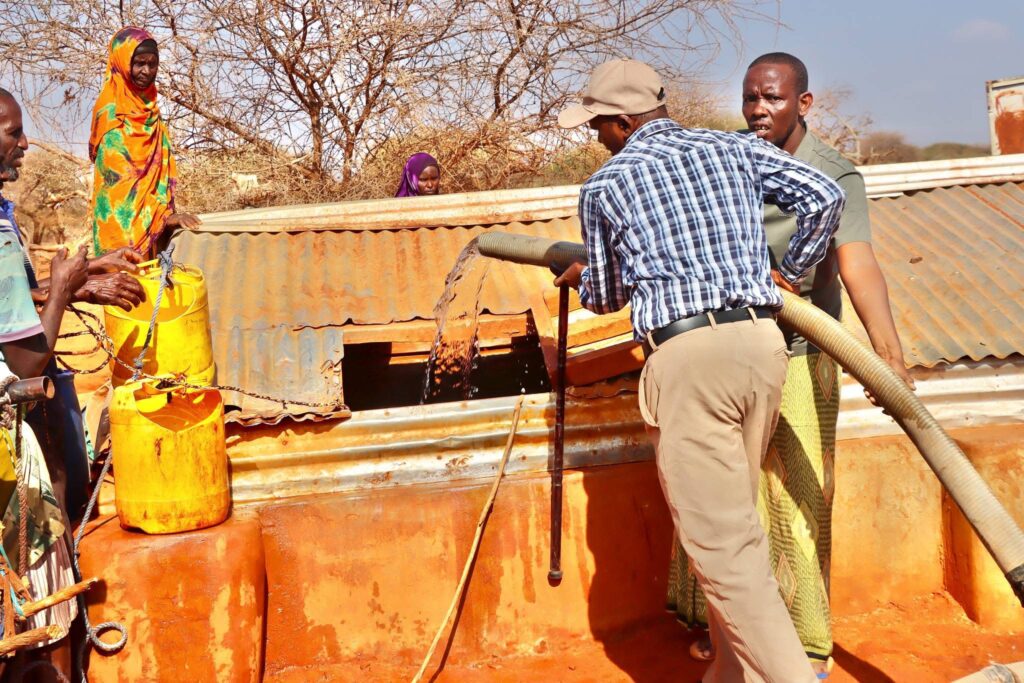
Across the Mandera–Gedo–Dollo Addo borderlands, three failed rainy seasons have dried up traditional water sources, pushing communities into crisis.
A Crisis Stretching Across Borders
By December, drought conditions across the tri-border region of Kenya, Somalia, and Ethiopia had intensified into IPC Phase 3 (Crisis). In Mandera County alone, an estimated 335,000 people are now in urgent need of assistance. Across Somalia’s Jubaland State, 470,286 people have been affected, while in Ethiopia’s Dollo Addo area, more than 350,000 people face extreme water shortages.
What makes this drought particularly severe is its persistence. Three consecutive failed rainy seasons have eroded household coping mechanisms, weakened livestock-based livelihoods, and intensified cross-border movements in search of water and pasture. What were once seasonal stresses have become a sustained emergency.
Across the Mandera–Gedo–Dollo Addo borderlands, drought is no longer a temporary shock. It is reshaping daily life, livelihoods, and survival strategies.
Dry Wells, Long Walks, and Rising Costs
In Mandera County, nearly 80 per cent of surface water sources have dried up. County officials report that 120,000 people currently depend on daily water trucking, a figure projected to exceed 250,000 people by January 2026 if the rains fail again. Although most boreholes remain functional, many are under severe strain and require urgent rehabilitation after months of continuous use.
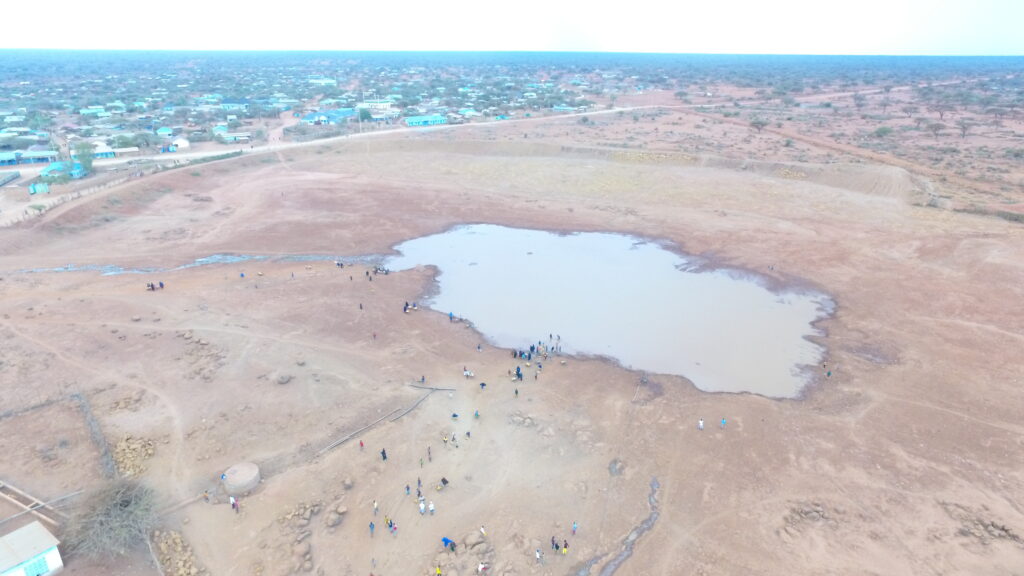
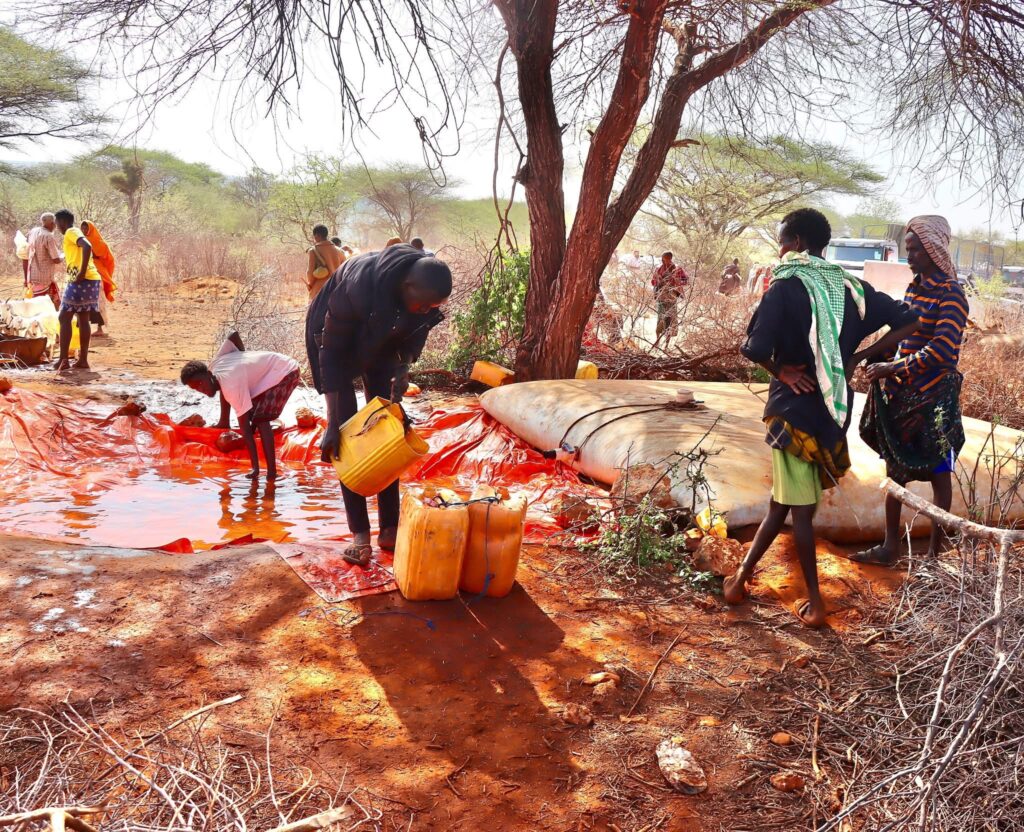
Across the border in Gedo, water has become increasingly unaffordable. Prices for a 10,000-litre truckload range between USD 140 and USD 250, forcing households to make difficult trade-offs between water, food, and healthcare. In Dollo Addo, women and children walk 30 to 75 kilometres each day in search of unsafe water, heightening risks of disease and exposure.
“In some communities, the search for water now defines the entire day.” Adan Mohamed, Resident, Banisa
Livestock Losses, Hunger, and Displacement
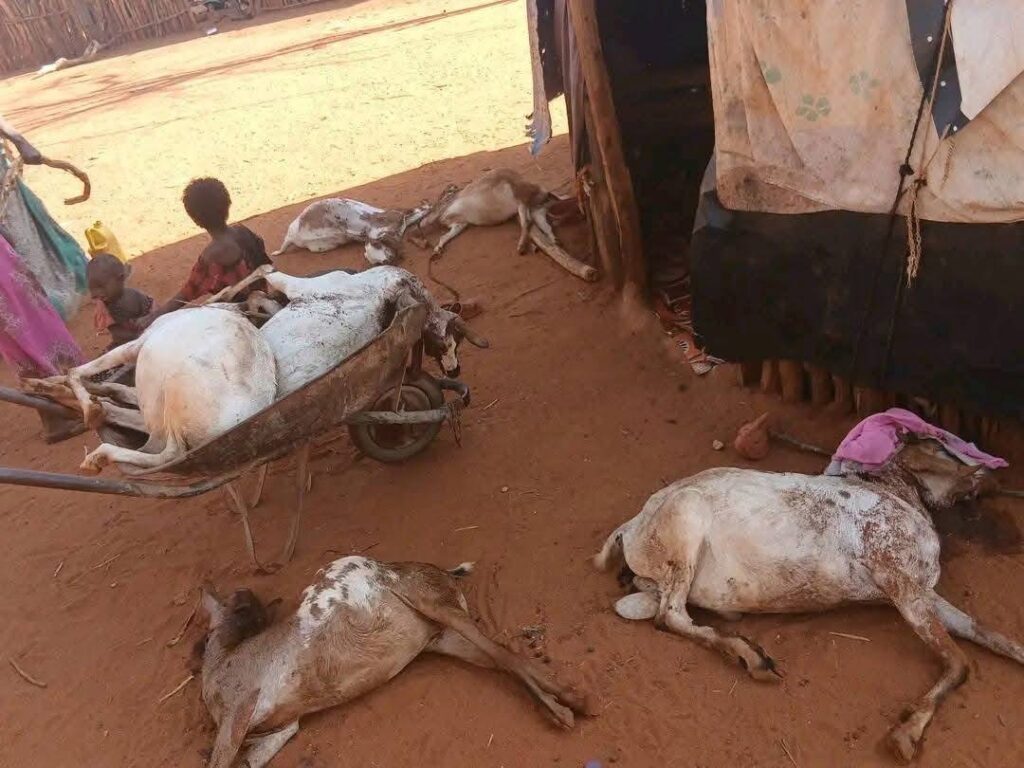
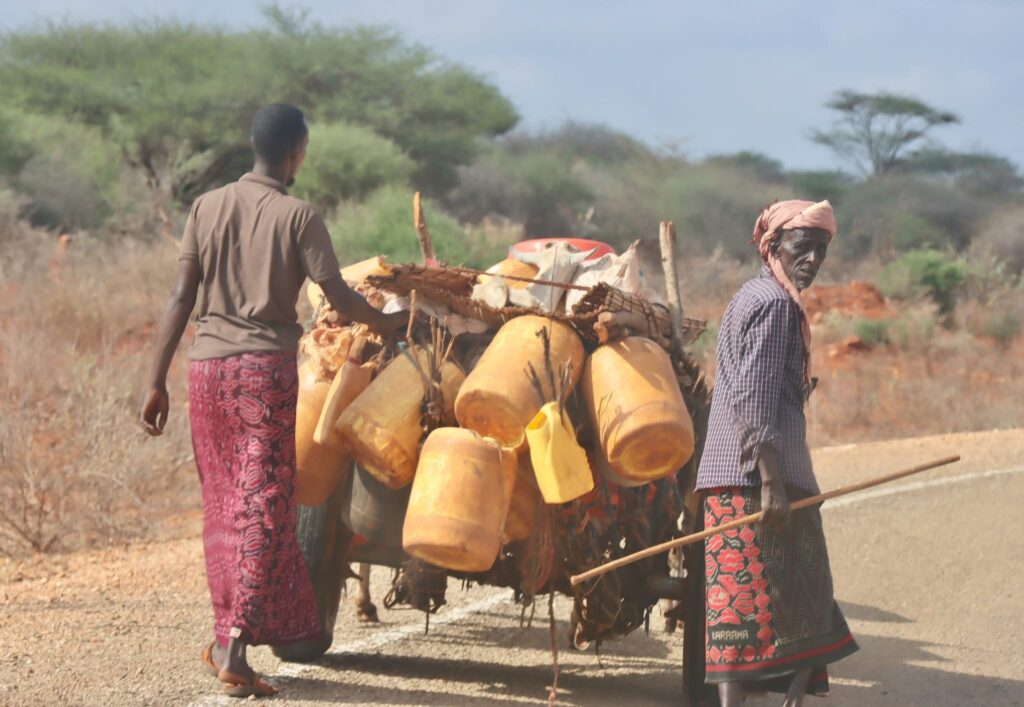
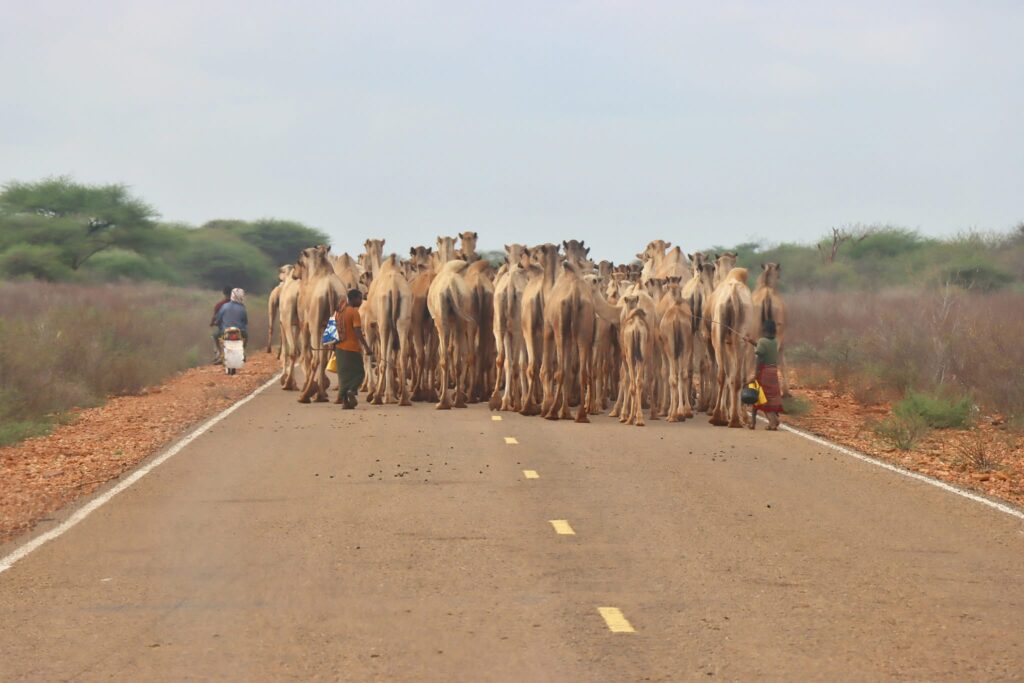
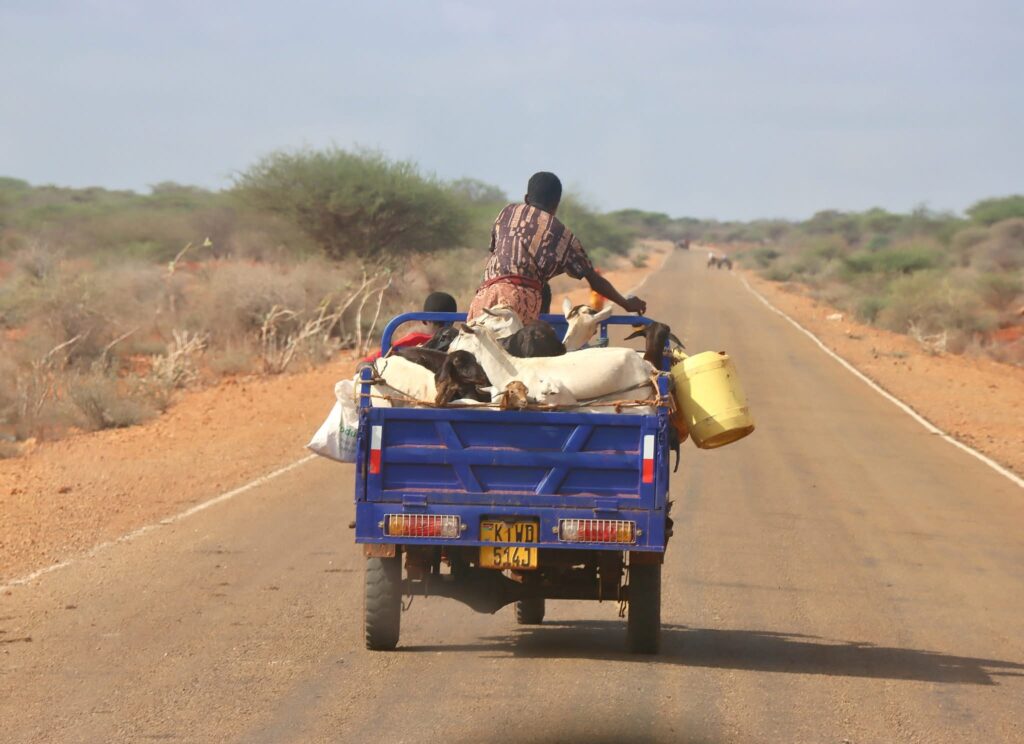
Caption: Livestock losses and displacement are rising as drought pressures intensify across the borderlands.
Livestock, which is the backbone of pastoral livelihoods, is under acute threat. In Gedo Region, over two million animals are at risk as herds travel long distances in search of pasture. In Dollo Addo, assessments report 246 livestock deaths and nearly 274,000 animals at immediate risk, compounded by disease outbreaks such as PPR and lumpy skin disease.
Food insecurity is deepening. Somalia’s national drought declaration indicates that 4.4 million people faced crisis-level food insecurity between October and December 2025. In Dollo Addo, health screenings identified 7 cases of severe acute malnutrition and 56 cases of moderate acute malnutrition among children assessed.
Displacement is becoming a last-resort coping mechanism. In Ethiopia, 1,963 households (11,778 people) have been displaced into IDP sites with limited access to basic services.
From Emergency Relief to Stabilising Systems
As the crisis escalated, BORESHA-NABAD accelerated an integrated drought response that combines immediate mitigation with longer-term resilience. Working alongside local authorities, private operators, and community institutions, the programme has prioritised actions that stabilise essential services while reducing the risk of conflict.
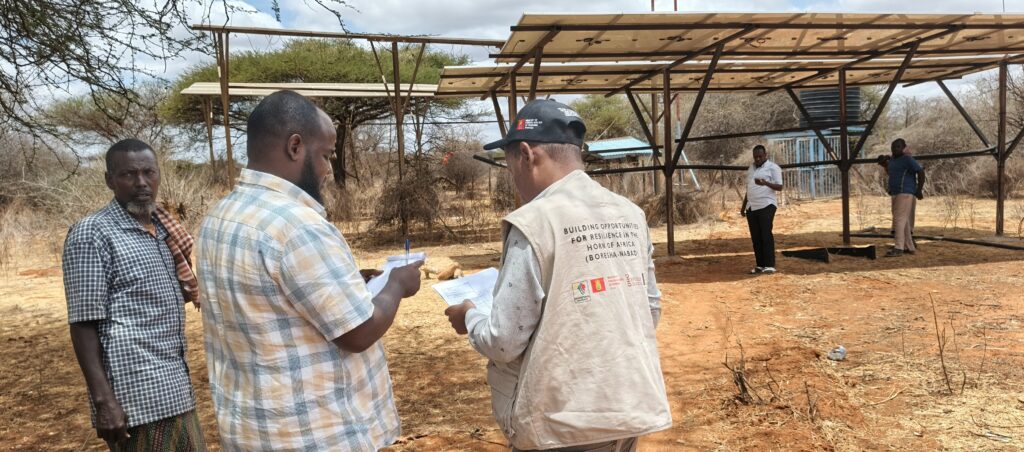
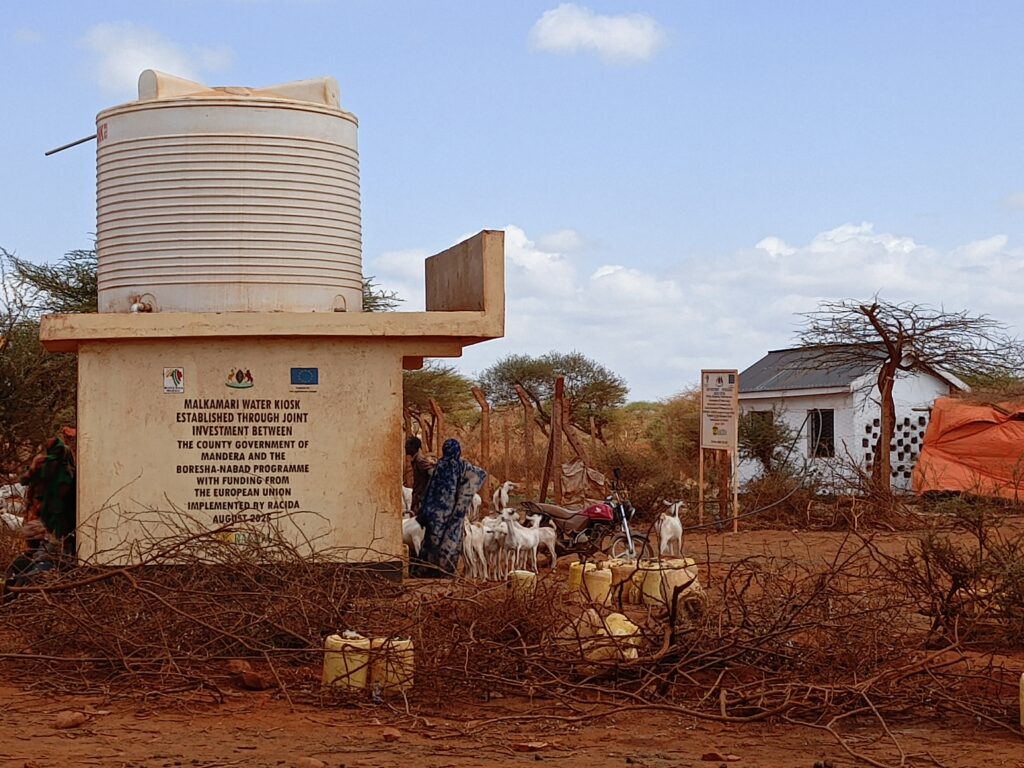
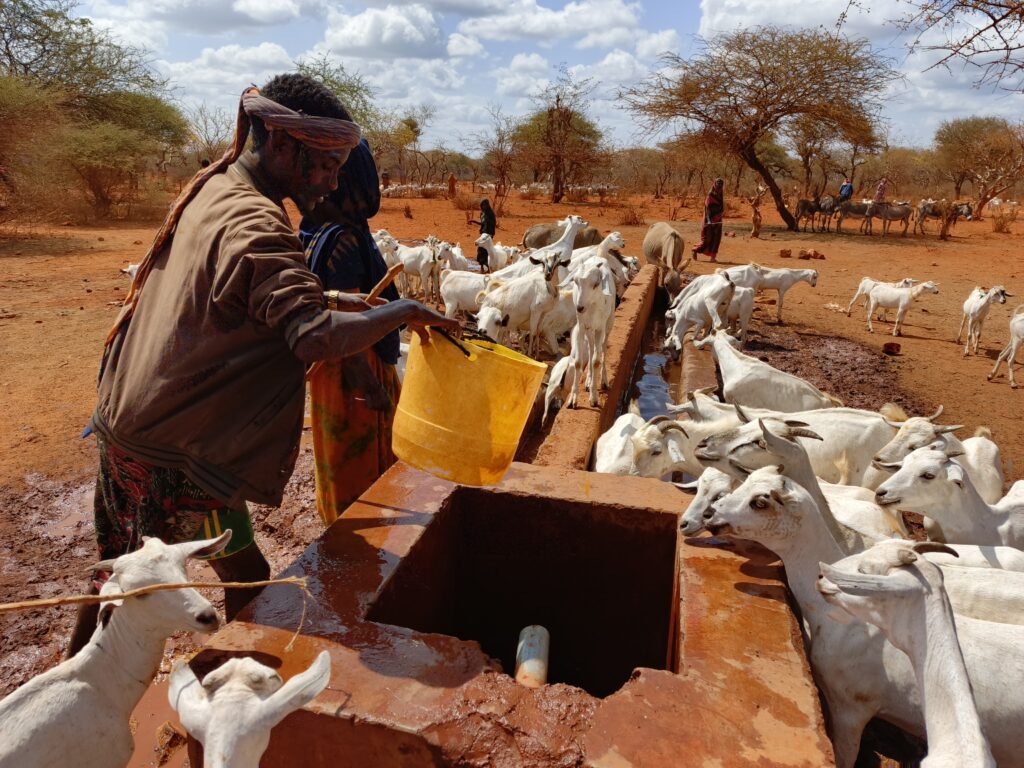
BORESHA-supported water infrastructure investments are restoring access while strengthening community-led management.
Restoring Water Access through Partnerships
Across the three countries, BORESHA-NABAD has supported the rehabilitation and expansion of water systems through public–private partnerships:
- 18 boreholes rehabilitated and 2 new boreholes drilled in Kenya
- 14 shallow wells and 1 underground tank rehabilitated
- Earth pans and underground tanks restored in Somalia and Ethiopia
- Solarisation, filtration, kiosks, and last-mile piping implemented with Water User Committees and private operators
These investments now support 50,000+ households and 100,000+ livestock, easing competition over water and strengthening local governance of shared resources.
Protecting Livelihoods through Fodder Markets
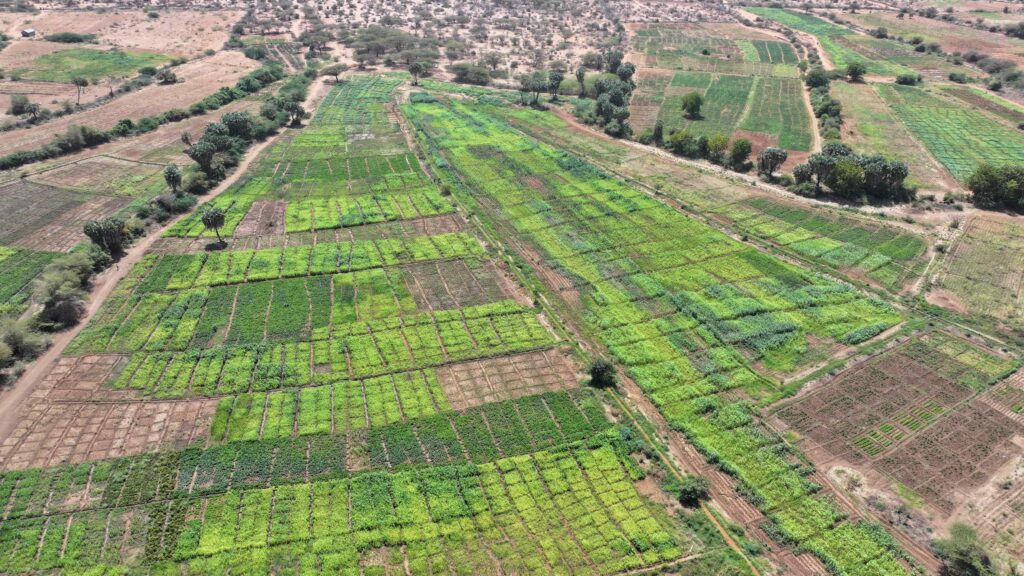
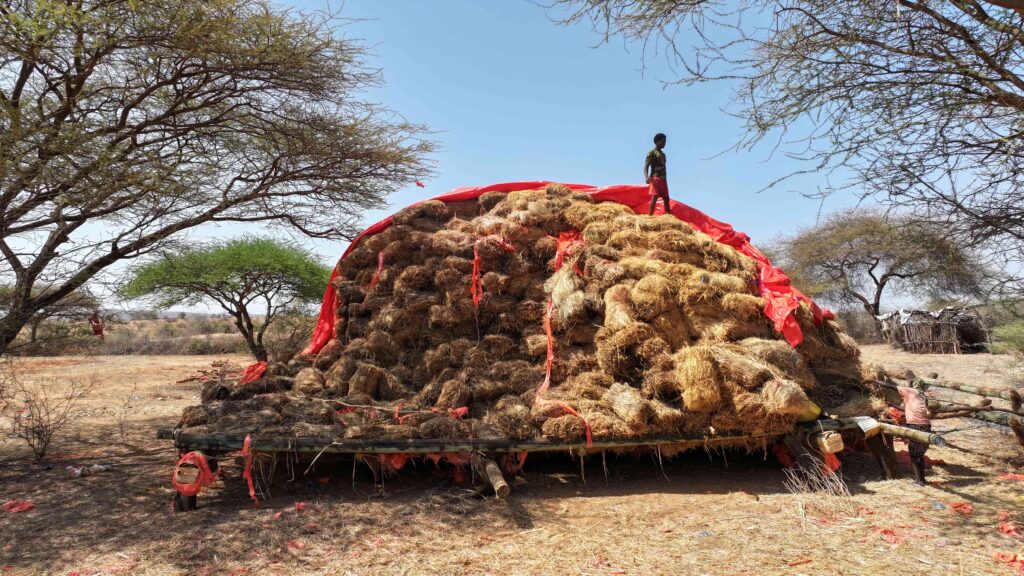
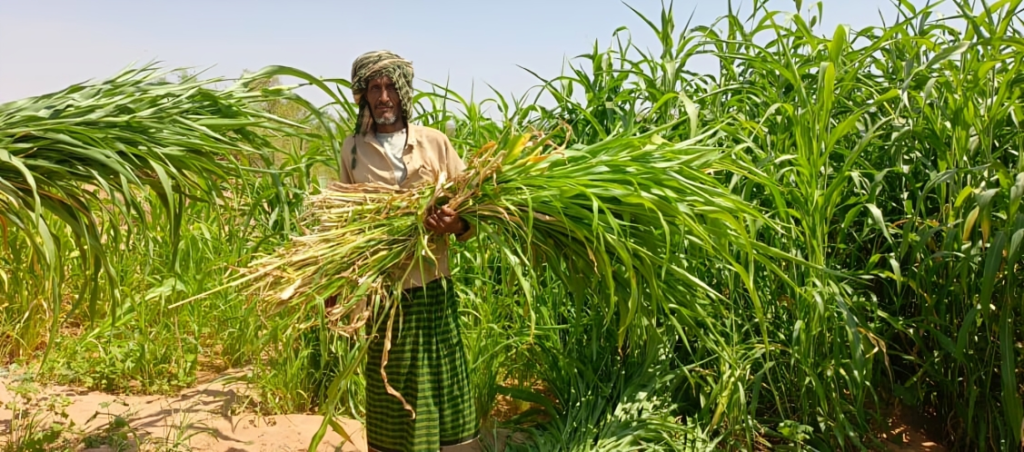
Fodder production is helping pastoralists protect livestock and stabilise incomes during peak drought.
To cushion pastoralists against livestock losses, BORESHA-NABAD has supported the expansion of climate-smart fodder markets:
- 1,000+ farmers engaged through Pastoral Field Schools
- 11 agrovet input suppliers linked to farmers across Kenya and Ethiopia
- 8 solar irrigation systems installed to reduce reliance on costly diesel
- 11,000+ fodder bales produced, supplying local and cross-border markets
- Farmer-to-farmer seed sharing driving replication beyond programme sites
As incomes stabilise, farm groups are reinvesting profits into animal fattening and recovery of drought-affected livestock, while the Mandera County Government has established fodder banks in all sub-counties, embedding preparedness beyond programme support.
Building Climate-Smart Livelihoods
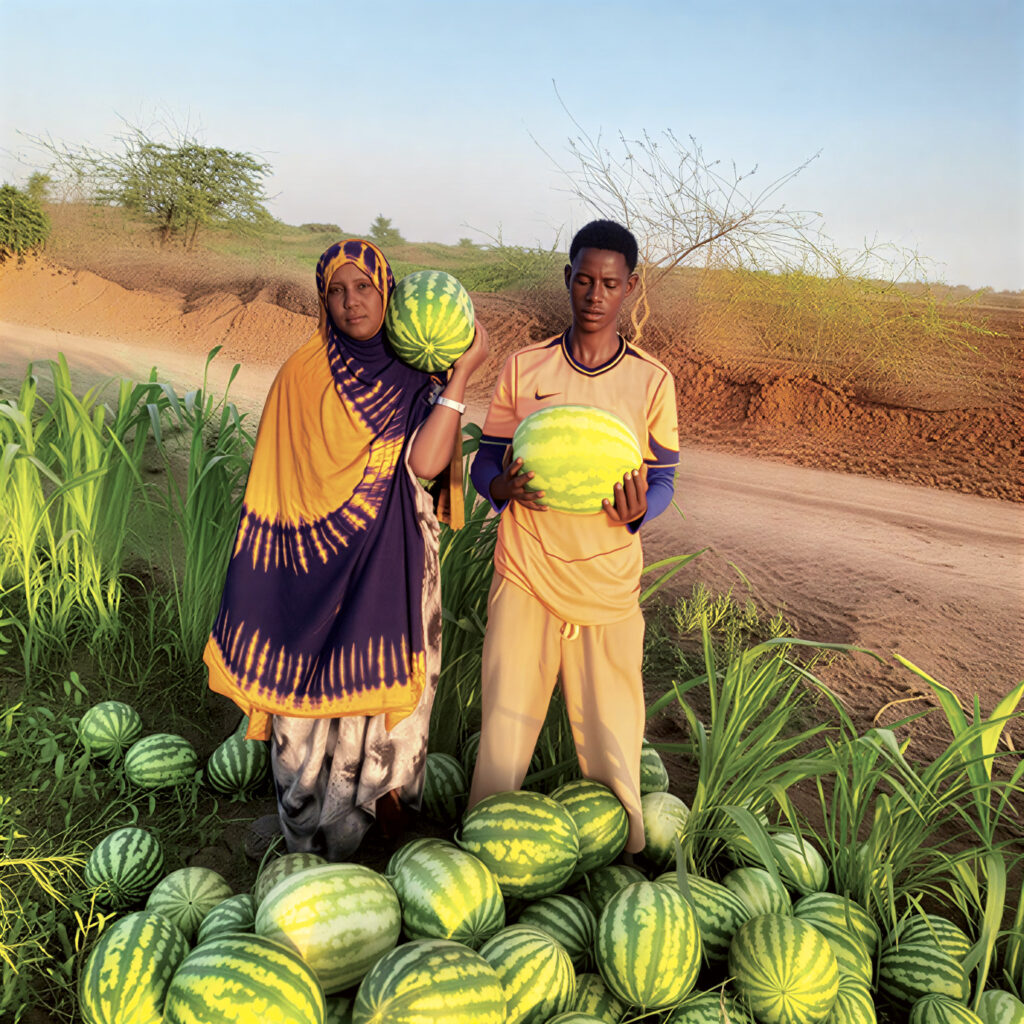
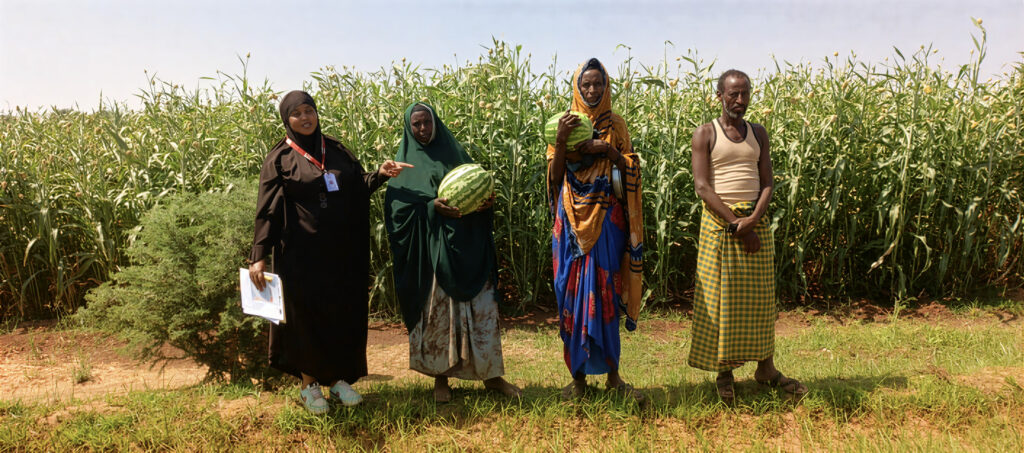
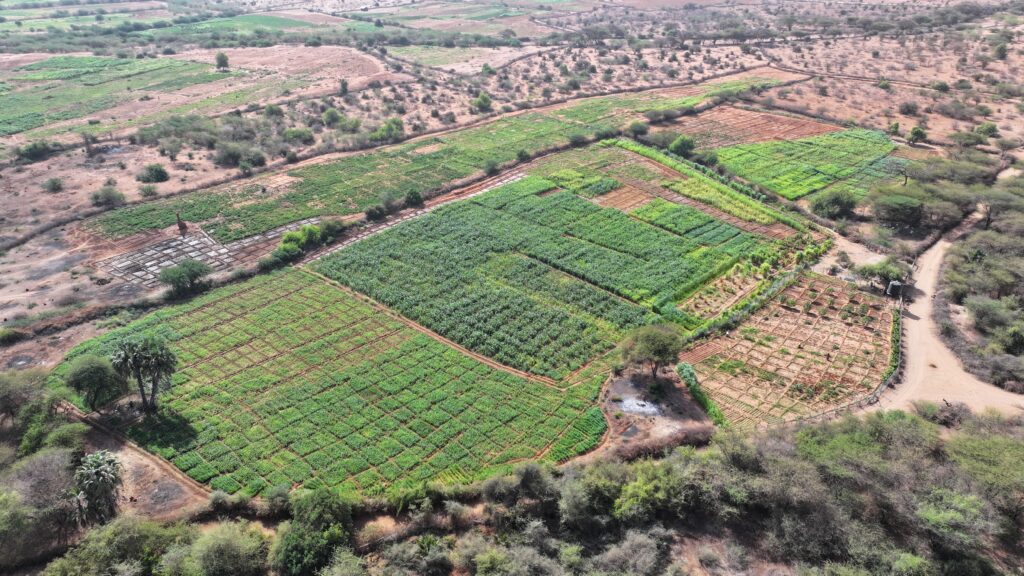
Caption: Climate-smart farming and market linkages are strengthening household resilience.
BORESHA-NABAD’s drought response also strengthens livelihoods through market-based approaches:
- 920 pastoralists and 500 agropastoralists linked to agrovets, extension services, and traders
- 45 tonnes of sorghum, 10 tonnes of maize, and 20 tonnes of beans produced for food and feed security
- 200 LCIG members diversified into higher-value crops
- Average income of USD 4,880 per farmer from fodder-linked reinvestment
- Riverine farmers increased yields from 3 tonnes to 18.5 tonnes, earning up to USD 8,150 per farmer
These gains reflect stronger coordination across local market systems and improved household resilience to climate shocks.
Looking Ahead
As drought conditions persist, the borderlands require responses that go beyond short-term relief. By strengthening water systems, protecting livelihoods, and reinforcing community-led management, BORESHA-NABAD continues to support families not only to survive the current drought, but to face future climate shocks with greater resilience.